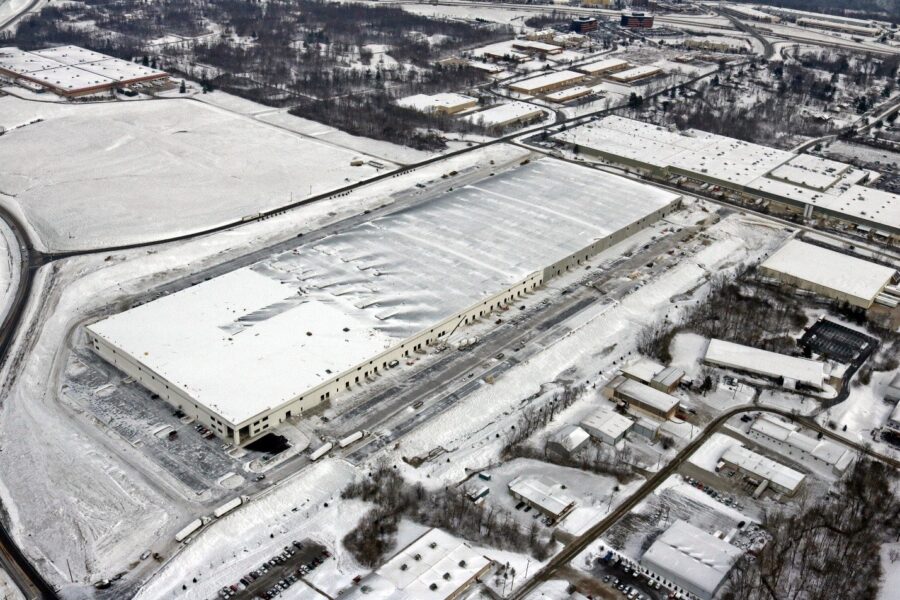
Winter in the Ohio Valley has a reputation for showing up early, lingering late, and bringing a mix of freezing temperatures, snow, sleet, freeze–thaw cycles, and unpredictable weather swings. For commercial construction projects, these conditions are more than an inconvenience. They influence cost, schedules, labor productivity, material performance, and ultimately how owners and contractors plan and execute work.
Experienced builders anticipate these challenges and design construction strategies that keep projects moving safely and efficiently, even when the weather turns. Below is a practical look at what winter really means for construction work in our region, how it affects project outcomes, and where proactive planning makes all the difference.
1. The Ohio Valley Climate: Volatile, Not Just Cold
Unlike northern climates that stay consistently below freezing, the Ohio Valley often cycles between thawing and refreezing. That volatility affects everything from concrete performance to site logistics. Precipitation swings between rain, freezing rain, sleet, and snow, each bringing a different set of considerations for field teams.
Contractors who build year-round in this region design their plans around these swings. They assume variability rather than stability and build in safeguards to protect work quality, ensure worker safety, and maintain progress.
2. How Winter Impacts Construction Costs
Cold-Weather Concrete Measures
Concrete does not gain strength properly when temperatures drop. To maintain quality, contractors must use cold-weather measures such as:
- Ground-thawing blankets or hydronic heaters
- Warm water or heated aggregates
- Rapid-setting mixes or admixtures
- Protective enclosures around slab pours
These steps are essential but add cost in labor, fuel, equipment, and extended monitoring.
Temporary Heat and Enclosures
Building interiors can’t progress without adequate temperature control. This often requires temporary heaters, propane or natural gas supply, poly enclosures, insulation blankets, and safety monitoring. Long durations of cold weather can significantly increase fuel consumption.
Weather Delays and Standby Costs
Snow removal, ice mitigation, and lost productivity introduce indirect costs. While strong planning minimizes these impacts, winter always carries the possibility of unplanned work stoppages. Properly structured project budgets include contingencies for these conditions.
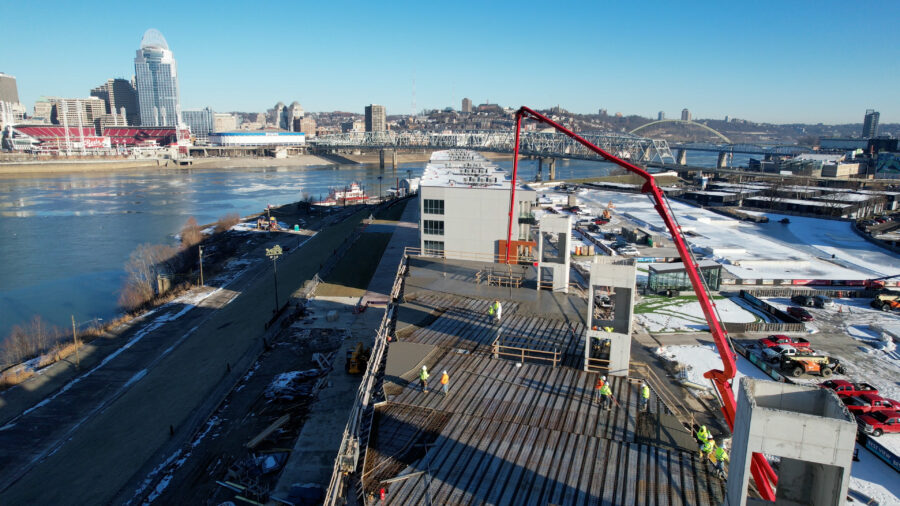
3. Schedule Impacts: Staying Productive in Shorter, Colder Days
Reduced Daylight
Shorter days reduce the number of available working hours, especially for exterior trades. Additional lighting is required, and certain activities must end earlier for safety reasons.
Material Lead Times and Handling
Some materials cannot be installed below certain temperatures, including:
- Sealants
- Flooring and adhesives
- Paints and coatings
- Roofing assemblies
For these trades, schedules often shift to prioritize interior work that can be performed under controlled conditions.
Freeze–Thaw Cycles Affecting Sitework
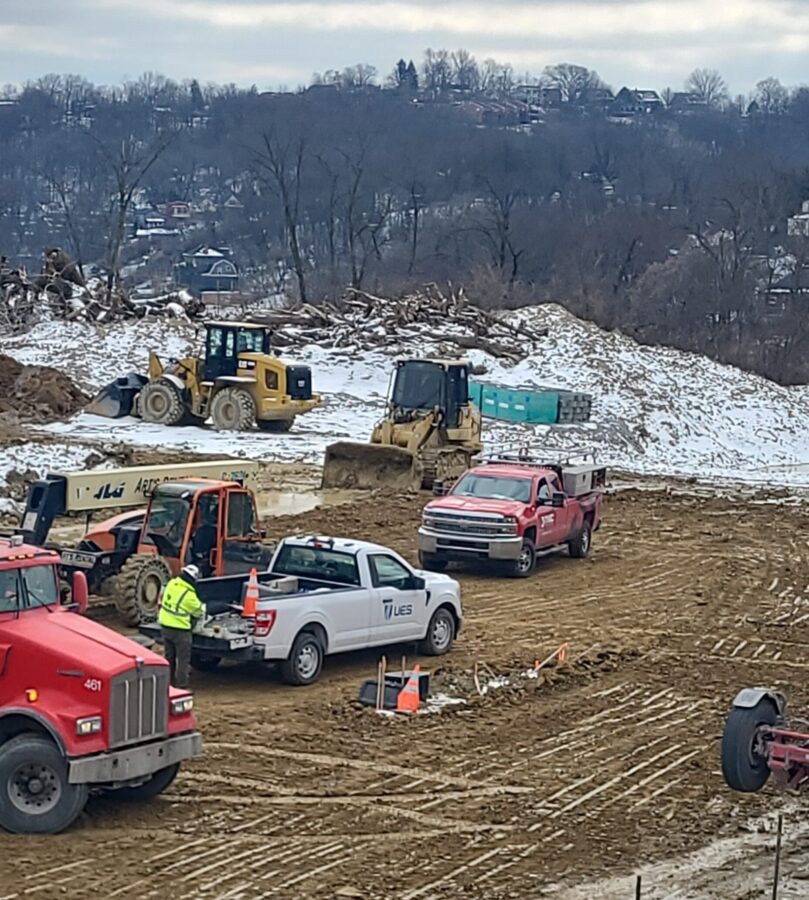
Earthwork is one of the most winter-sensitive items. Frozen ground, saturated soils, and thaw cycles limit grading, utility installation, and paving. Smart sequencing pushes sitework ahead before winter and shifts focus inside once structural enclosure is achieved.
A well-managed winter schedule is less about avoiding weather and more about staying two steps ahead of it.
4. Resource Planning: Labor, Equipment, and Safety
Labor Productivity
Production rates naturally decline in cold conditions. Heavy clothing, glove requirements, limited mobility, and the need for more frequent warm-up breaks all reduce output. The key is planning workloads that match realistic productivity expectations, not summer assumptions.
Equipment Requirements
Winter requires supplemental equipment:
- Snow removal equipment
- Ground heaters
- Thermal blankets
- Temporary lighting
- Dehumidifiers and heaters inside the building
These resources need to be scheduled early, delivered on time, and managed safely to avoid downtime.
Worker Safety
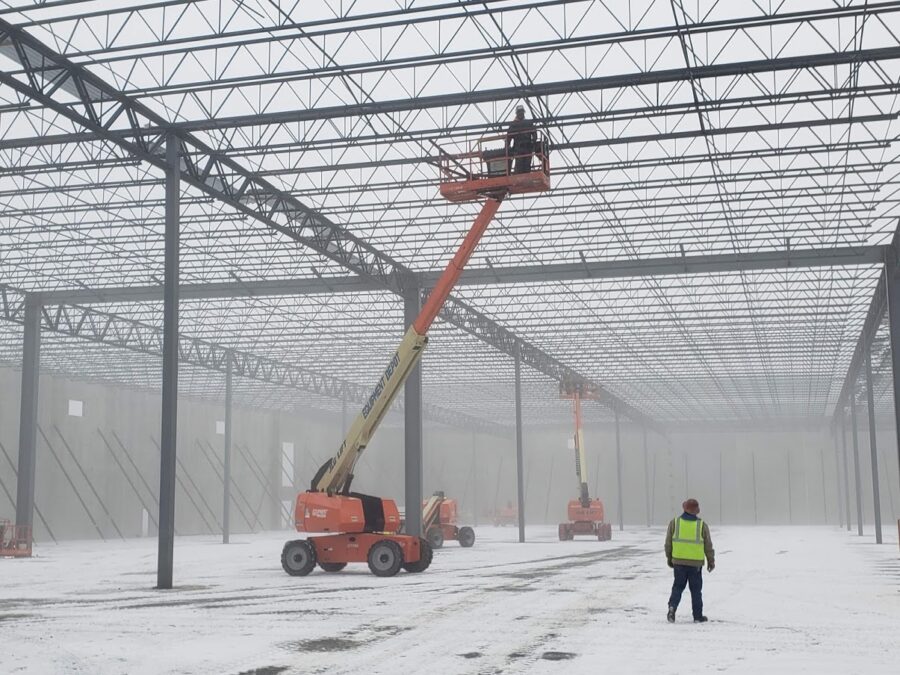
Cold stress, icy surfaces, and visibility challenges increase risk. Experienced contractors expand safety protocols in winter, increasing inspections, housekeeping, and PPE monitoring. Winter work demands discipline, not improvisation.
5. Planning for Winter: Why Early Strategy Matters
The most successful winter construction projects share one theme: preparation. Contractors and owners who plan for winter from day one protect their budgets, schedules, and long-term building performance.
Best practices include:
- Sequencing work to achieve building enclosure before peak winter
- Including cold-weather measures and contingencies in the baseline schedule
- Allocating budget for heating, enclosures, and winter-specific equipment
- Prioritizing long-lead materials and trades affected by temperature restrictions
- Maintaining flexible work plans that can pivot as conditions shift
Owners gain the most value when these conversations happen early, not after the first cold front.
6. What Winter Work Really Means for Owners
Winter doesn’t have to slow down a commercial project. It simply requires a contractor who understands the region and has the systems in place to adapt. When builders plan proactively, winter becomes a manageable variable instead of a surprise.
Owners benefit through:
- Fewer schedule disruptions
- Better long-term building performance due to controlled installation conditions
- Clear expectations for cost impacts and contingencies
- Predictable communication during weather swings
A disciplined winter strategy is one of the clearest indicators of a mature construction operation.
Conclusion: Building Year-Round with Confidence
The Ohio Valley’s winter climate presents real challenges, but experienced builders know how to keep projects moving safely and efficiently. Clear planning, disciplined execution, and practical winter strategies protect both budgets and timelines. At Paul Hemmer Company, we’ve spent more than a century building through all four seasons and delivering results regardless of the forecast.
Winter doesn’t stop progress. It just demands a higher level of preparation. And that’s where strong builders set themselves apart.